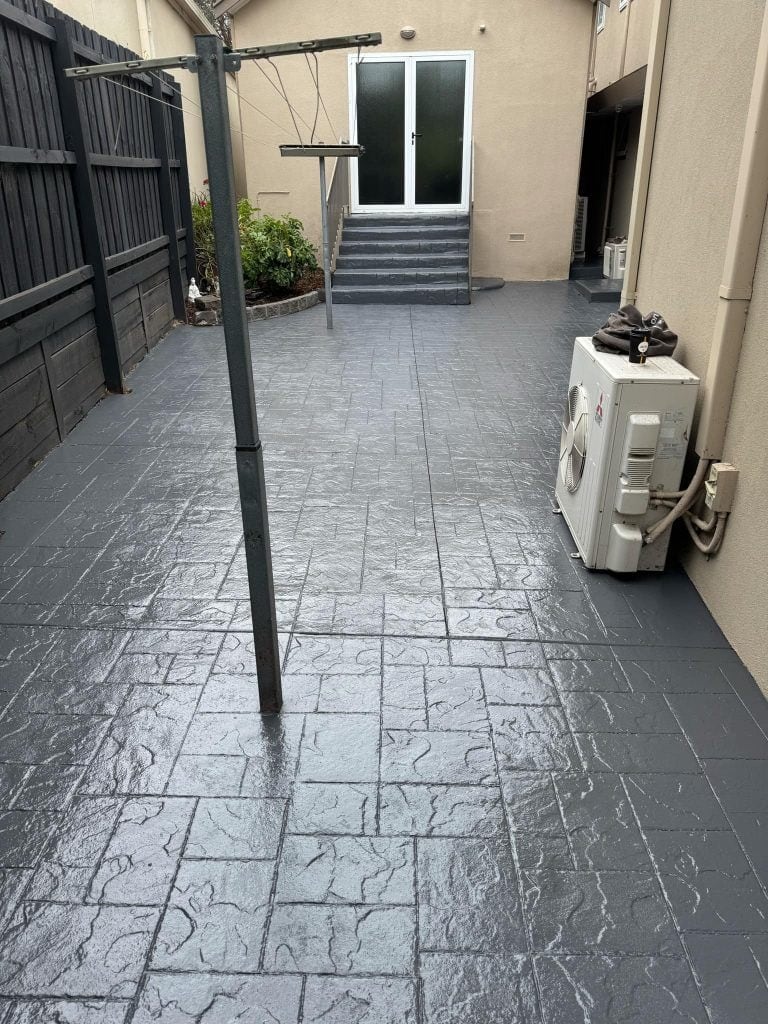
What Concrete Sealing Actually Does

Concrete sealing applies a protective barrier to your concrete surfaces that blocks moisture, oil stains, and chemical contaminants from penetrating the porous surface. Melbourne’s climate puts concrete under constant pressure—wet winters, strong summer UV, and fluctuating humidity all contribute to surface deterioration over time.

A quality concrete sealer melbourne homeowners rely on works in one of two ways. Penetrating sealers soak into the concrete’s pores and chemically bond to create hydrophobic protection from within. Topical coatings form a film on the surface that repels water and contaminants while enhancing appearance.

The protection extends beyond just blocking moisture. UV rays cause fading, chalking, and breakdown of the cement paste that holds your concrete together. Sealing slows this UV-induced deterioration significantly. For exposed aggregate or decorative concrete, this means the natural beauty of the stones and colour stays vibrant rather than washing out to a dull grey.

Sealed surfaces also become far easier to maintain. Oil drips from vehicles, leaf tannins, bird droppings, and general grime sit on top rather than soaking in. Regular cleaning takes minutes instead of hours, and stains don’t become permanent features.

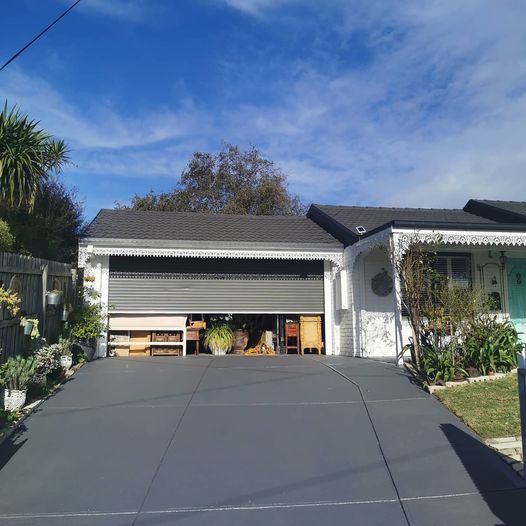
concrete driveway sealing melbourne finished surface
Freshly sealed concrete driveway in Melbourne with a clean, protected finish.

When Concrete Needs Sealing or Resealing

Your concrete surfaces give clear signals when protection has worn thin. The most reliable test is water behaviour—if water no longer beads on the surface and instead soaks straight in, your sealer has failed. This happens gradually, often starting in high traffic areas first.

Visual indicators include:

  • Surface appearing dull or faded compared to when it was new

  • Patchy areas where sealer has worn thin, particularly on driveways at turning points

  • Oil stains that used to wipe off now setting permanently

  • Colour looking washed out, especially on coloured concrete or exposed aggregate

New concrete requires patience before sealing. Standard curing takes around 28 days, and the slab needs to reach appropriate moisture levels. Sealing too early traps moisture inside, leading to cloudy finishes or adhesion failure. For thicker slabs or those in shaded areas, drying may take longer.

Environmental exposure accelerates wear. Concrete in full sun, surfaces near vegetation dropping organic debris, and areas near the coast dealing with salt exposure all need more frequent attention than protected patios under cover.

Types of Concrete Sealing

Clear Sealing

Clear concrete sealers maintain your surface’s natural appearance while providing full protection. These work well for standard grey concrete, broom-finished driveways, and situations where you want protection without changing the look. Both penetrating and topical options exist in clear formulations.

Colour Sealing

Colour sealing restores faded concrete and can deepen the visual appeal of existing colour. This approach suits old concrete that has lost its original vibrancy. The depth of colour enhancement depends on the original mix, stone type, and sealer chemistry—patch testing is essential before committing to a full application. To see what colour suits your hour home have a look through Avistas Sealer Colour Chart. 

unsealed concrete outdoor area before sealing melbourne
Concrete surface before sealing, showing wear and exposure prior to protection.
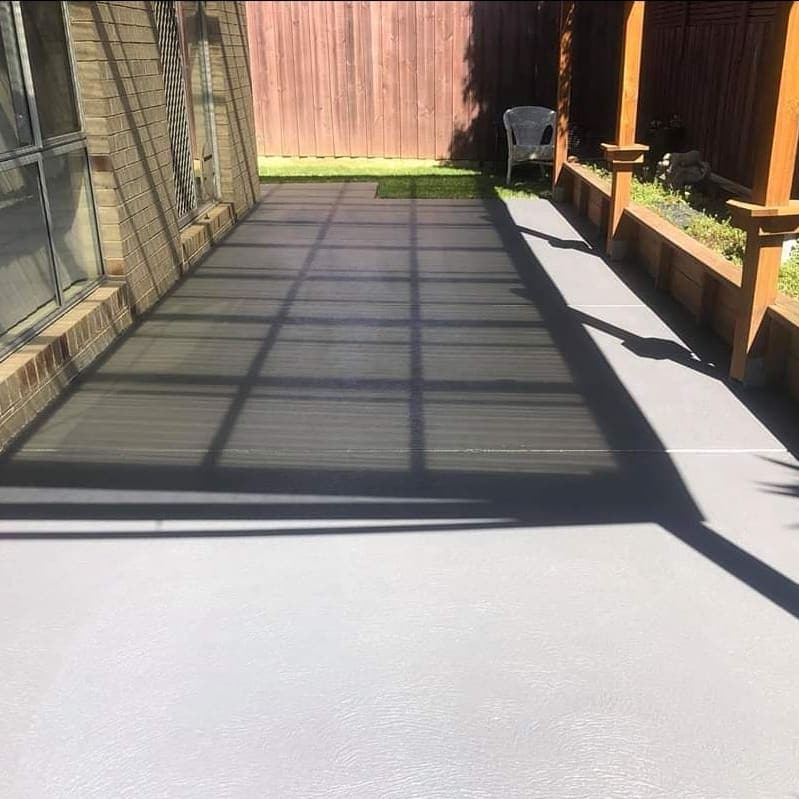
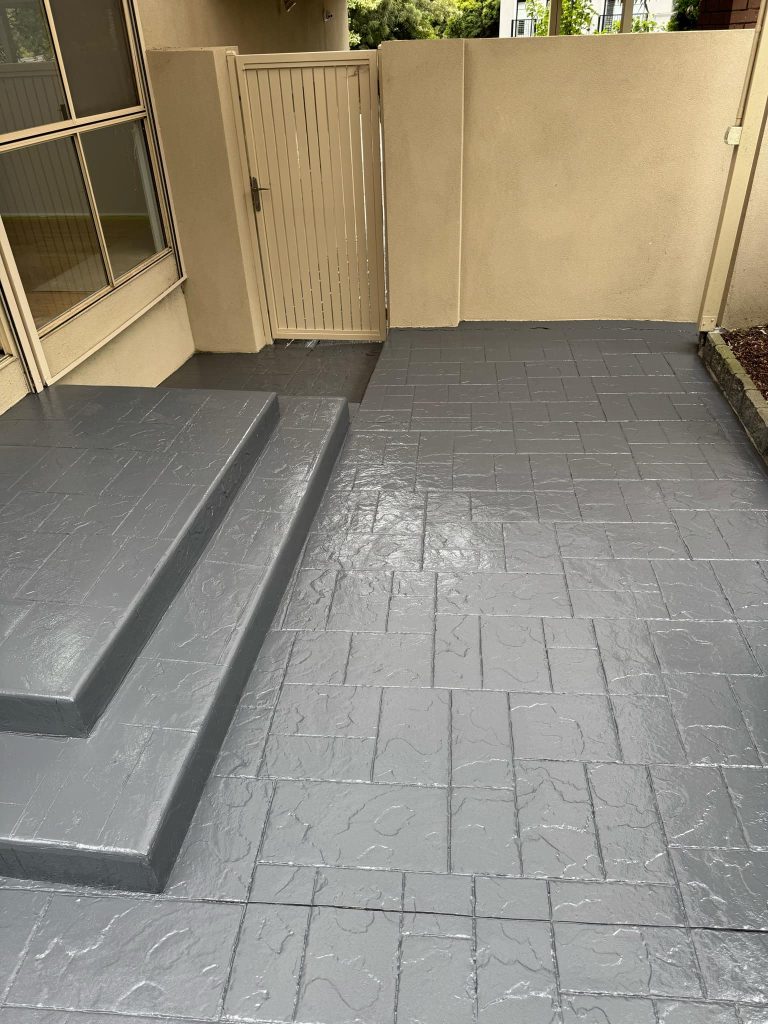
coloured concrete sealing melbourne walkway finish
Coloured concrete sealing providing a clean, durable and easy-to-maintain surface.
concrete driveway sealing melbourne clean finished surface
Concrete driveway professionally sealed for a clean finish and long-term protection.
concrete porch before and after sealing melbourne
Before and after concrete porch sealing showing restored colour and improved finish.

Exposed Aggregate Sealing

Exposed aggregate presents specific challenges. The texture that makes it attractive for slip resistance and aesthetic value needs protection without clogging or hiding the aggregate stones. Penetrating sealers are often preferred here, protecting the cement matrix around stones while maintaining grip and natural texture.

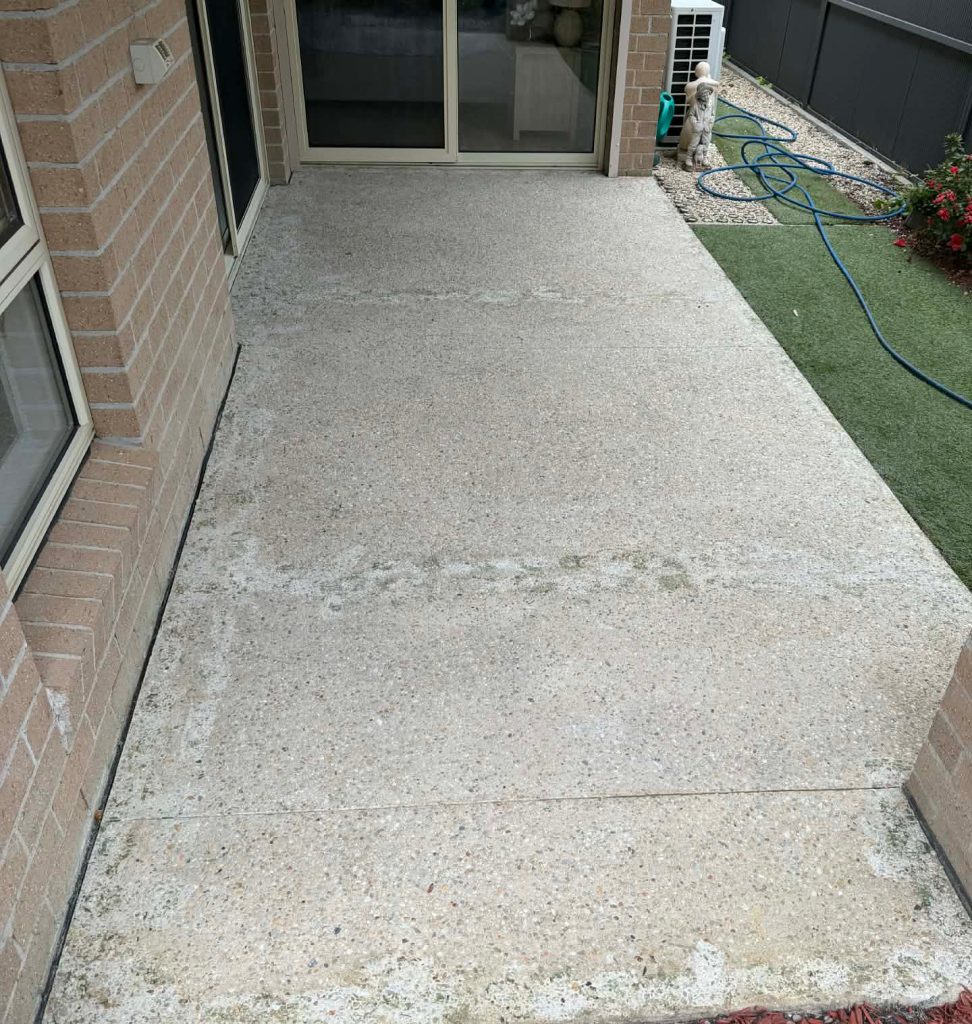
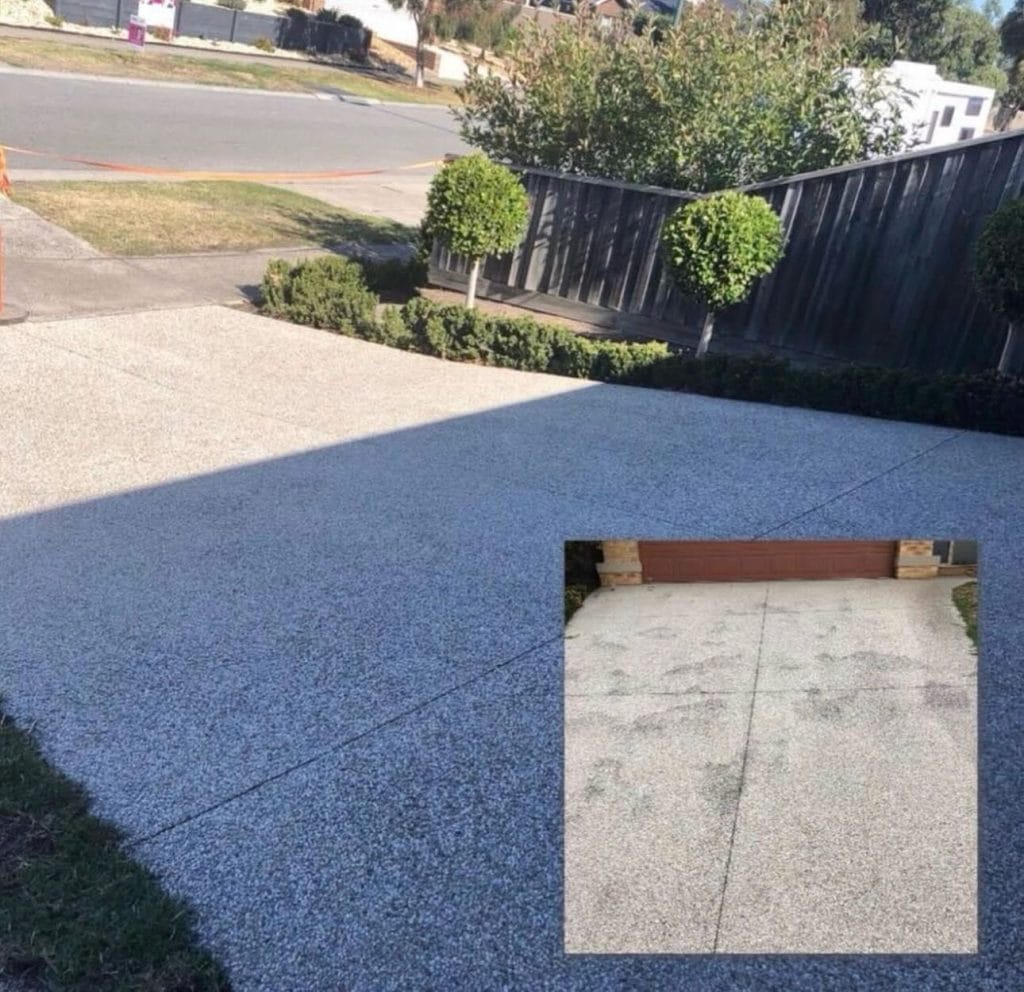
worn exposed aggregate patio before resealing Melbourne
Worn exposed aggregate before cleaning and resealing, showing faded colour and surface wear
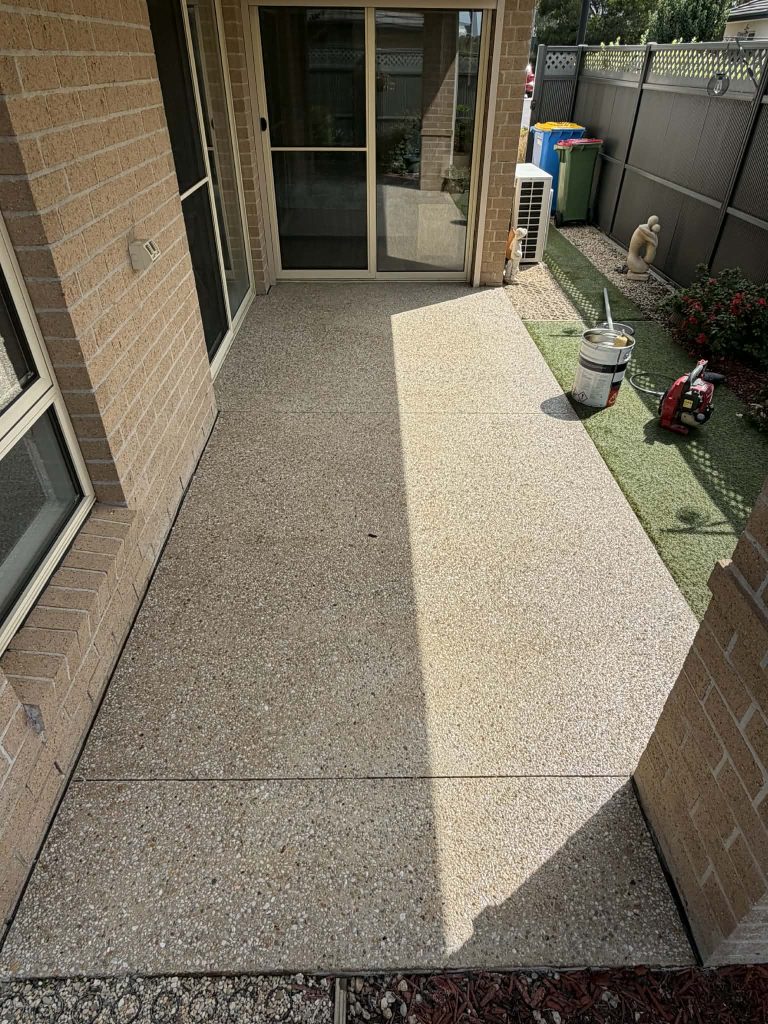
exposed aggregate patio after resealing Melbourne
Exposed aggregate after cleaning and resealing, restoring colour and protecting the surface from further wear
clear sealing exposed aggregate driveway Melbourne
Clear sealing applied to exposed aggregate to restore colour and protect the surface without changing its natural look
exposed aggregate concrete sealing melbourne finished surface
Exposed aggregate sealed to protect the surface and bring out the natural stone finish.

Application by Surface Type

Different outdoor surfaces have different demands:

  • Driveways face vehicle traffic, tyre marks, oil drips, and constant UV exposure

  • Patios and outdoor entertaining areas need weather resistance and stain protection

  • Pathways require slip resistance, especially in shaded areas prone to moisture

  • Pool surrounds demand chlorine and water resistance plus non-slip properties

exposed aggregate concrete being sealed melbourne
Exposed aggregate during the sealing process to protect and enhance the surface.

Our Concrete Sealing Process

Proper preparation determines the success of any concrete sealing melbourne project. Our process follows industry best practice at every stage.

Pressure cleaning removes all dirt, mould, grime, and organic staining. If previous sealers exist, these may need stripping or mechanical removal. Sealing over contaminants locks them in permanently—shortcuts here guarantee problems later.

Surface preparation may include light grinding on flat floors or appropriate treatment for textured aggregate surfaces. Crack repairs and joint filling happen at this stage. Moisture testing confirms the substrate is sufficiently dry, particularly important for film-forming coatings.

Sealer application uses appropriate methods—spray, roller, or brush depending on product type and surface texture. We apply thin, even coats and avoid puddling. Timing matters: we work in suitable temperature ranges (typically 10-30°C) and avoid high humidity, rain forecasts, and direct sun on hot surfaces.

Proper curing allows the sealer to develop full performance. While initial drying happens within hours, full chemical cure for penetrating types takes 24 hours or more. We protect the surface from traffic and water contact during this period.

Final inspection checks coverage uniformity, gloss or matte consistency across the entire surface, and proper protection of edges, joints, and corners.
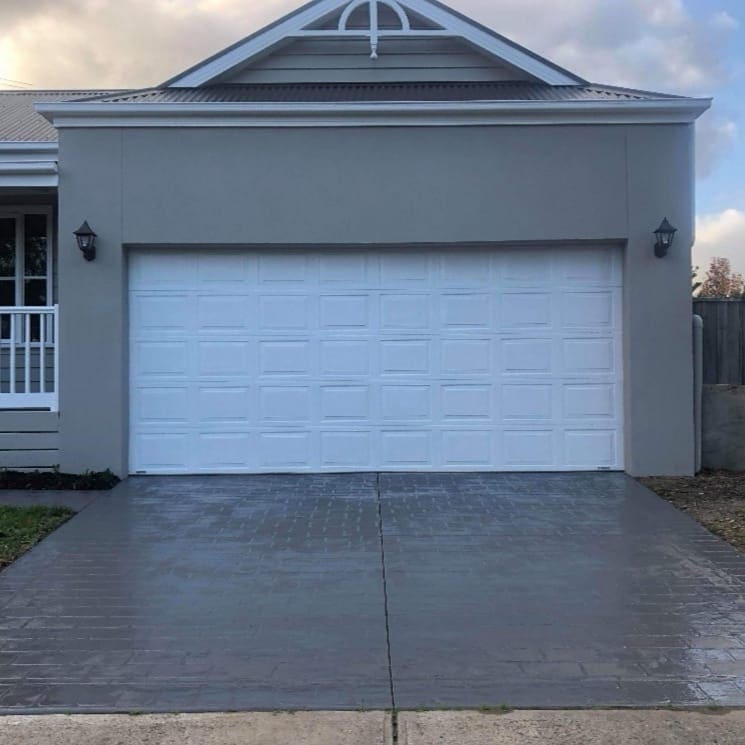
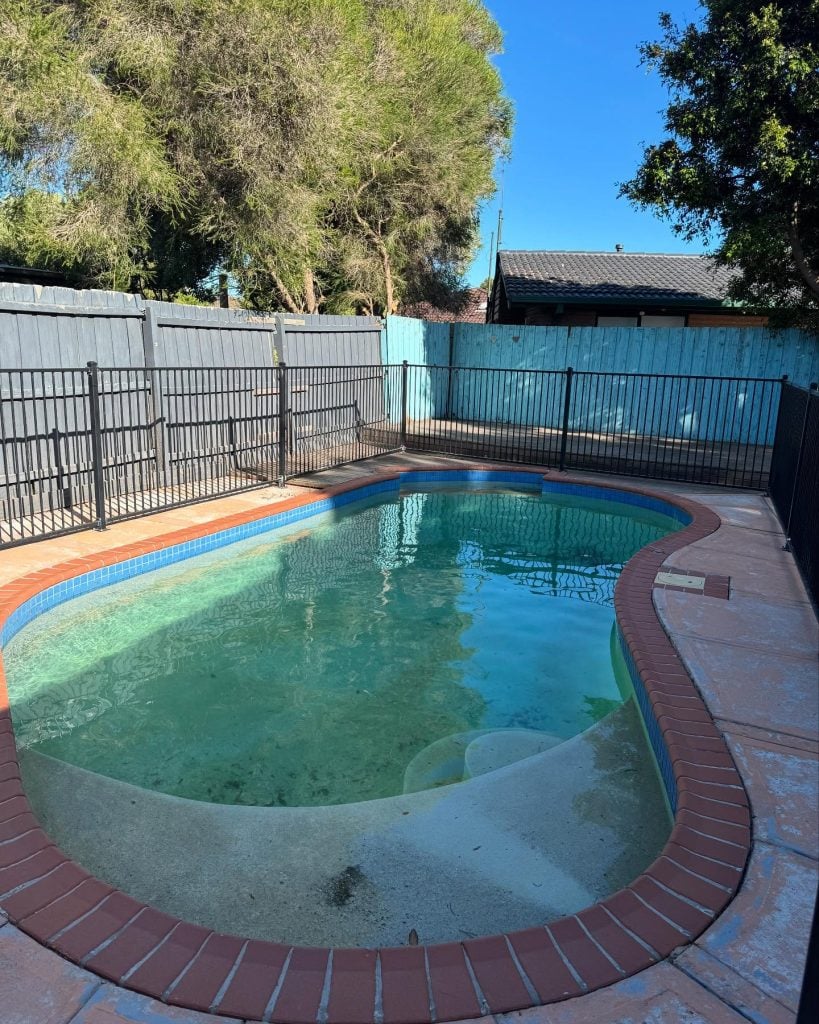
Colour sealing concrete pool surround Melbourne
Colour sealing over existing concrete around a pool area, completed in Melbourne
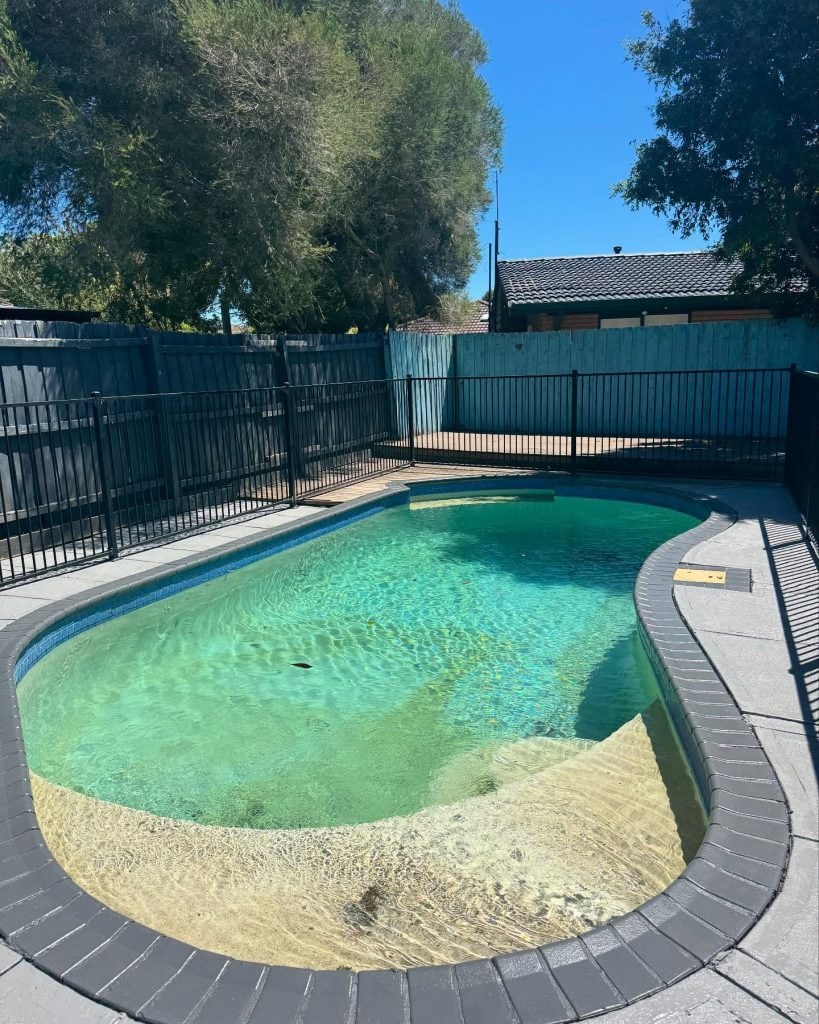
colour sealed concrete pool surround Melbourne
Colour sealing applied to an existing concrete pool surround to restore colour and improve surface durability

How Long Concrete Sealing Lasts

Sealer lifespan varies considerably based on product type, traffic levels, and exposure conditions. Melbourne’s climate creates particular challenges—rain cycles, temperature swings, and summer UV all contribute to wear.

Film-forming sealers (acrylics, epoxies, polyurethanes) typically last 1-3 years under heavy traffic and strong UV. Driveways in full sun with daily vehicle use sit at the shorter end. These coatings may need more frequent resealing melbourne homeowners should budget for.

Penetrating sealers last significantly longer—often 5-10 years under moderate traffic, sometimes up to 15 years in ideal conditions. Because they work within the concrete rather than sitting on top, they don’t wear away from surface abrasion.

By surface type:

  • High traffic driveways: 2-3 years typical before maintenance needed

  • Protected patios: 4-5 years with regular cleaning

  • Pool areas: 3-4 years due to water and chemical exposure

  • Pathways: 4-5 years depending on foot traffic volume

Regular maintenance extends sealer performance. Remove oil spills promptly, keep surfaces clear of organic debris, and clean periodically with appropriate methods. Watch for visual indicators—dull patches and water absorption—and plan resealing before complete failure to prevent deeper surface damage.

Concrete Sealing Cost Melbourne

Pricing depends on surface area, existing condition, preparation requirements, and sealer type selected.

Service

Cost Range

What You Get

Sealing

$22–$30/m²

Protection, slight colour enhancement, long lasting protection

Colour Sealing

$27–$35/m²

Restored appearance, colour enhancement plus protection

Premium Penetrating

$30–$45/m²

Extended durability (5-10+ years), invisible finish

Small driveway sealing starts from around $880 for basic work on surfaces in good condition. Larger areas benefit from economies of scale.

Factors affecting your quote:

  • Surface area and complexity

  • Current condition and preparation requirements

  • Access for equipment

  • Sealer type and number of coats

  • Crack repairs or defect correction needed

Driveway sealing melbourne projects typically cost less per square metre than commercial floor work due to simpler access and preparation requirements.

worn concrete coating before sealing melbourne patio
Existing coating worn and faded prior to preparation and resealing.
sealed concrete outdoor area melbourne fresh finish
Freshly sealed concrete with a clean, even finish and improved durability.
failed concrete sealer peeling worn surface melbourne
Severely worn coating with breakdown exposing previous layers.
restored concrete surface after sealing melbourne
Surface restored and sealed for a consistent, long-lasting finish.
concrete path worn coating before sealing melbourne
Patchy and deteriorated coating prior to preparation.
sealed concrete path clean finish melbourne
Even sealed finish improving appearance and protection.

Where Concrete Sealing Works Best

Driveways in good structural condition respond well to sealing. If your concrete is sound but looks tired, faded, or is starting to absorb stains, sealing restores protection and appearance without major work. Resealing concrete driveway surfaces every few years maintains long term performance.

Patios and alfresco areas benefit from easier cleaning and stain resistance. These entertainment areas face food spills, furniture movement, and weather exposure that sealing handles effectively.

Pathways and walkways need protection against moisture, algae growth, and organic staining, particularly in shaded sections under trees. Slip resistance considerations influence sealer selection here.

Exposed aggregate surfaces show dramatic improvement with proper sealing. The aggregate stones regain colour depth, and the cement matrix between stones receives protection against erosion and dusting. Exposed aggregate sealing prevents the surface degradation that leads to stone loss over time.

Pool surrounds require specialist attention—water exposure, chlorine, potential salt air, and critical slip resistance requirements all influence product selection.

Garage floors and commercial floor applications suit appropriate coatings matched to expected traffic

Depending on the condition of the concrete, solutions can range from sealing through to concrete resurfacing or epoxy flooring.

Common Mistakes with Concrete Sealing

Sealing over dirty or contaminated concrete guarantees problems. Oil, mould, tannins, and existing sealer residues prevent proper adhesion. Stains sealed in become permanent features rather than temporary problems.

Applying excessive sealer causes pooling, bubbling, uneven gloss, and cloudy appearance. It also reduces slip resistance on exterior surfaces—dangerous around pools and pathways.

Sealing damaged concrete without repairs first wastes money. Cracks and spalls need filling before sealer application. Sealing hides defects temporarily but doesn’t stop their progression underneath.

Using wrong sealer types creates failures. Non-breathable film sealers on moisture-prone slabs trap water and blister. Glossy topical sealers on exposed aggregate pathways create slip hazards. Colour enhancers can produce uneven results on inconsistent substrates.

Poor weather timing undermines quality. Rain, high humidity, direct sun on hot surfaces, or extreme temperatures all cause sealer to cure improperly—resulting in cloudiness, adhesion failure, or premature degradation.

Neglecting maintenance shortens sealer life significantly. Regular cleaning, prompt spill removal, and resealing before complete wear-through all extend protection and prevent deeper concrete damage.