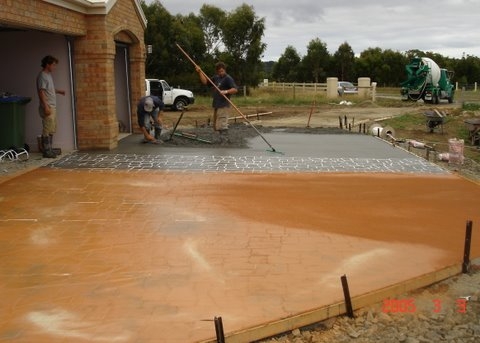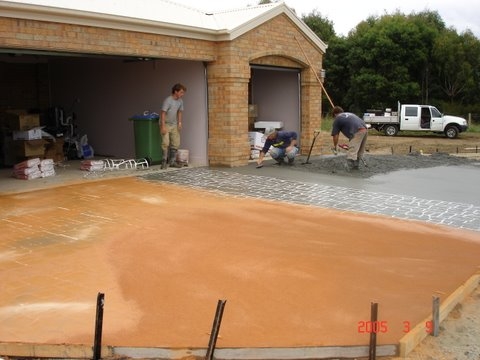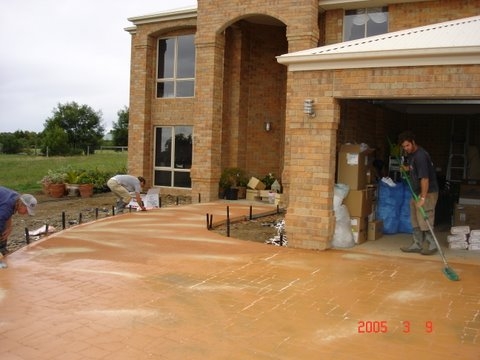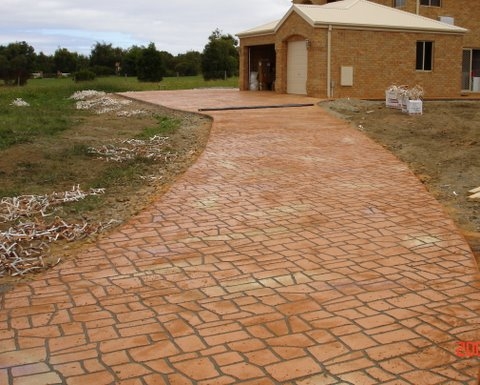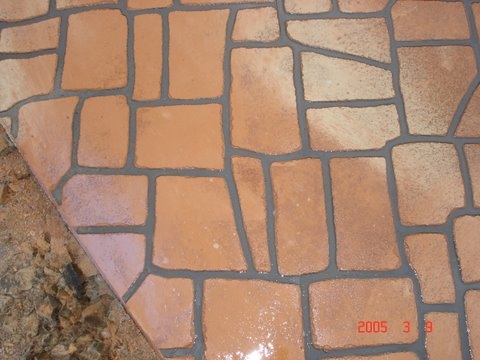
Junction Village is a small residential area near Cranbourne, characterised by family homes and a quiet, developing community atmosphere. Properties here feature concrete driveways and outdoor areas suited to suburban living. Stencil concrete resurfacing provides Junction Village residents with a practical way to upgrade their outdoor surfaces with durable finishes.
Stencil Concrete Nearby Areas
- Stencil Concrete Cranbourne North
- Stencil Concrete Lynbrook
- Stencil Concrete Hampton Park
- Stencil Concrete Narre Warren South
Over time, concrete surfaces begin to show signs of wear including cracking, fading, staining, and surface deterioration. Stencil concrete resurfacing addresses these issues by restoring the surface and applying a new protective layer. Instead of removing the slab, the existing concrete is repaired and resurfaced, significantly reducing cost and disruption. This makes it a suitable option for homeowners wanting to modernise their outdoor areas without undertaking major construction work.
Patterns and Colour Options
The flexibility of stencil concrete resurfacing allows it to suit a wide range of property styles. Whether the goal is to achieve a modern finish or complement an existing design, the range of patterns and colours makes it possible to customise the final result.
Driveways, Patios, and More
Outdoor entertaining areas such as patios and alfresco spaces benefit from stencil concrete resurfacing by improving both usability and visual appeal. A resurfaced area provides a clean, sealed surface that is easier to maintain and more suited to regular use. This is particularly useful for homeowners looking to upgrade outdoor spaces without completely rebuilding them.
Concrete resurfacing is often completed within a relatively short timeframe compared to full replacement. Most residential projects can be completed within a few days, depending on the size and condition of the area. This reduces disruption and allows the space to be used again sooner.
Built to Last
Driveways are one of the most common areas for stencil concrete resurfacing due to the level of wear they experience. Constant vehicle traffic, exposure to weather, and general use can cause surfaces to deteriorate over time. Resurfacing restores the structural integrity of the surface while improving its appearance, creating a clean and durable finish that is designed to handle everyday use.
The installation process for stencil concrete resurfacing follows a structured approach to ensure long-term results. Surface preparation is critical and includes cleaning, repairing defects, and profiling the concrete to allow proper bonding. Once prepared, the overlay and stencil pattern are applied, followed by sealing to protect the finished surface. Each step plays an important role in the durability of the final result.
Unlike pavers or tiled surfaces, stencil concrete is a continuous surface without joints. This reduces the risk of movement, uneven settling, and gaps forming over time. It also eliminates common issues such as weeds growing between joints or water pooling.
How We Resurface Your Concrete
Minor surface damage such as small cracks, chips, and spalling can make concrete look worn and neglected. During the resurfacing process, these issues are addressed before the new surface is applied. This ensures a consistent finish and prevents minor defects from affecting the overall result.
Do You Need to Replace Your Concrete?
Concrete replacement is often assumed to be the only solution for worn or damaged surfaces, however in many cases it is not necessary. Stencil concrete resurfacing provides a practical alternative that works with your existing slab, avoiding the time, cost, and disruption associated with demolition and removal.
If the underlying concrete is structurally sound, resurfacing allows the surface to be repaired, restored, and upgraded without replacing it entirely. Minor cracks, surface damage, and wear are addressed during preparation before a new decorative overlay is applied, resulting in a completely refreshed finish.
From a cost perspective, resurfacing is typically more efficient than full replacement. It eliminates excavation, disposal, and the need to pour new concrete, while still delivering a durable and visually improved surface suitable for driveways, patios, and outdoor areas.
Replacement may still be required where there are major structural issues such as significant movement, poor drainage, or deep cracking. In these cases, addressing the underlying problem is necessary before any resurfacing can be considered.
For most residential applications, resurfacing provides a balance between performance, appearance, and cost, making it a suitable option for upgrading existing concrete without starting from scratch.
Timbercrete: The Look of Timber, The Strength of Concrete
Timbercrete is a specialised decorative resurfacing finish designed to replicate the natural grain and appearance of timber while retaining the durability of concrete. It is one of the more advanced stencil-based systems, combining detailed pattern work with layered colouring to create a realistic timber effect.
This finish is particularly suited to patios, pathways, alfresco areas, and feature spaces where a warmer, more natural look is desired. Unlike real timber, Timbercrete does not warp, rot, or require ongoing structural maintenance, making it a practical long-term solution.
Because the system is applied over existing concrete, it allows homeowners to achieve a timber-style finish without replacing the slab or installing decking. This reduces both cost and installation time while still delivering a high-end result.
The sealed surface provides protection against UV exposure, moisture, and general wear, helping maintain its appearance over time. Like most sealed concrete surfaces, it may become slippery when wet, however slip-resistant additives can be included where required, particularly for areas exposed to moisture.
Timbercrete is well suited to homeowners looking for a more distinctive finish that goes beyond standard stencil patterns, offering a balance of visual appeal, durability, and low ongoing maintenance.
Frequently Asked Questions
How much does stencil concrete resurfacing cost?
Costs typically range depending on area size, surface condition, and design complexity. Resurfacing is generally more cost-effective than full concrete replacement as it avoids demolition and removal.
What is the difference between stencil concrete and pavers?
Pavers are individual units that can shift and allow weeds to grow between joints. Stencil concrete is a continuous surface that replicates the look of pavers without the movement or ongoing maintenance issues.
Can stencil concrete be applied to any surface?
It can be applied to most existing concrete surfaces provided they are structurally sound. Surfaces with major movement, drainage issues, or severe cracking may require repair or replacement first.
What maintenance does stencil concrete require?
Maintenance is relatively simple and includes regular cleaning and occasional resealing. Keeping the surface clean and resealed helps protect it from wear, staining, and weather exposure.
Homeowners in Junction Village benefit from the same professional service we provide across the wider Casey area, including properties in Cranbourne and Clyde North. Our stencil concrete finishes are designed to suit the character of the local area while standing up to everyday wear and weather.
Contact Nupave to arrange an on-site inspection and free quote for your Junction Village property.
Contact Us
Upgrading your concrete doesn’t always require starting again. Stencil concrete resurfacing can transform existing surfaces into something more modern and functional. Contact Nupave to get started.
Learn more about our Concrete Services in the City of Casey.
In Cranbourne and throughout the wider City of Casey, stencil concrete is a cost-effective way to add pattern and colour to driveways and paths.