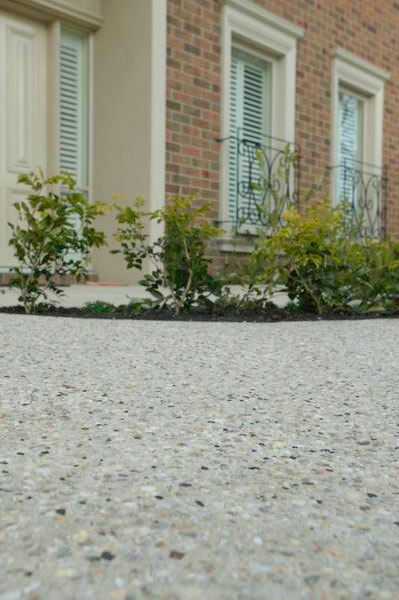
Expert Exposed Aggregate Driveway Services
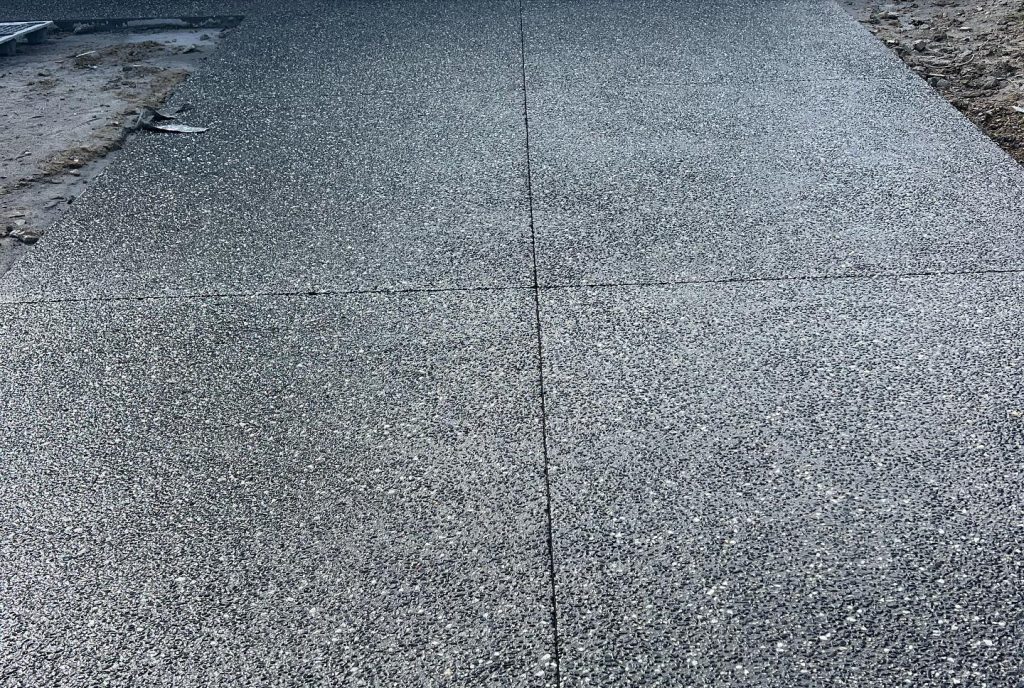
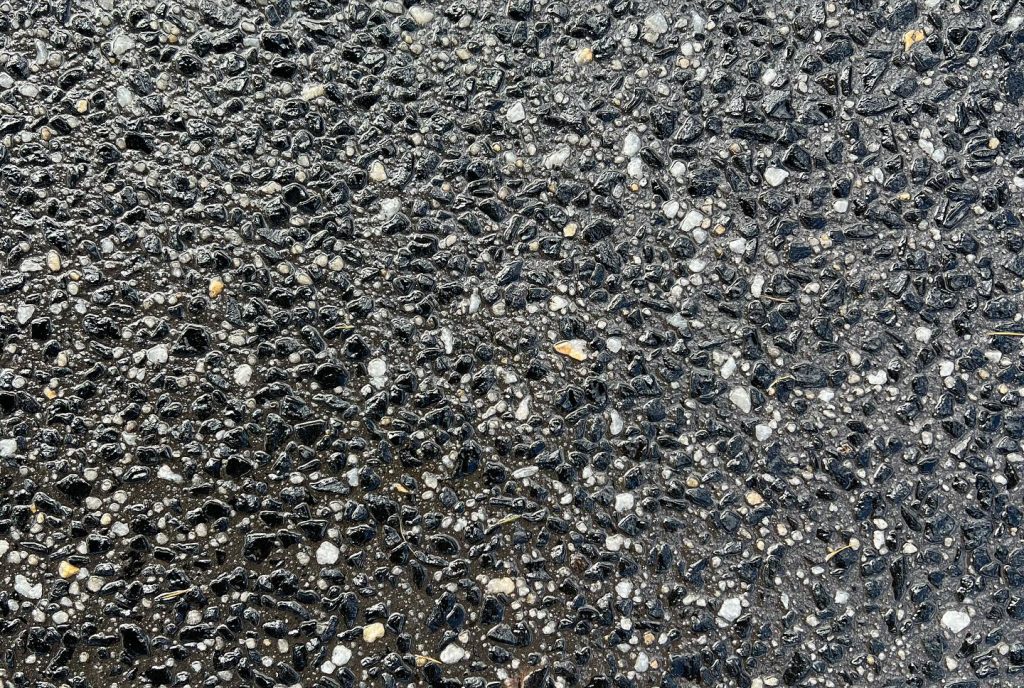
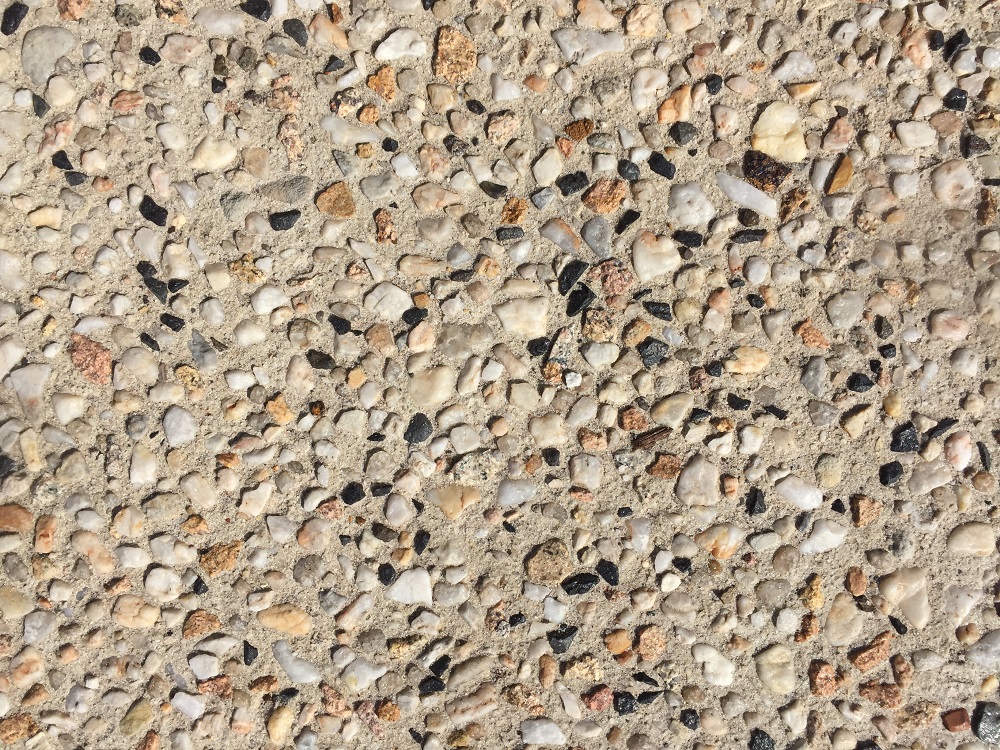
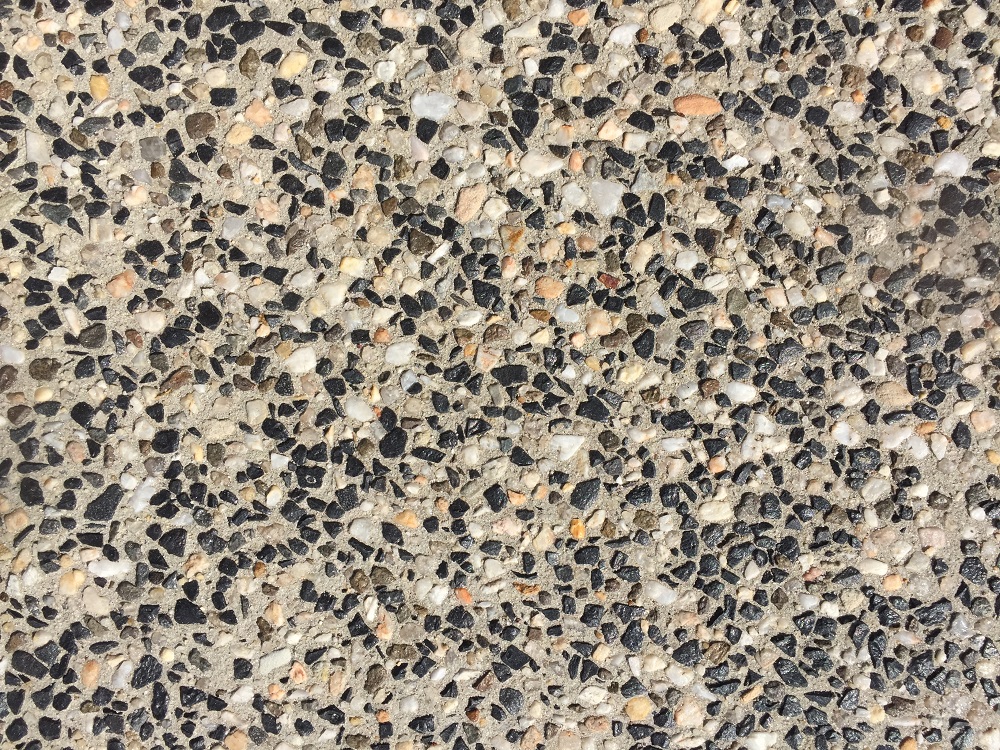
Exposed aggregate concrete is a decorative concrete finish where the top cement paste is removed to reveal the natural stone beneath—pebbles, quartz, granite, or other aggregates embedded in the concrete mix. The result is a textured surface with visual appeal that plain concrete simply cannot match.
Melbourne’s temperate climate presents specific challenges for driveways. Warm summers averaging around 26°C, cool damp winters, and rainfall distributed throughout the year mean your driveway needs to handle moisture, UV exposure, and temperature variation. Exposed aggregate handles these conditions well—the rough texture provides superior slip resistance when wet, natural stone resists UV degradation, and properly constructed slabs manage thermal expansion without cracking.
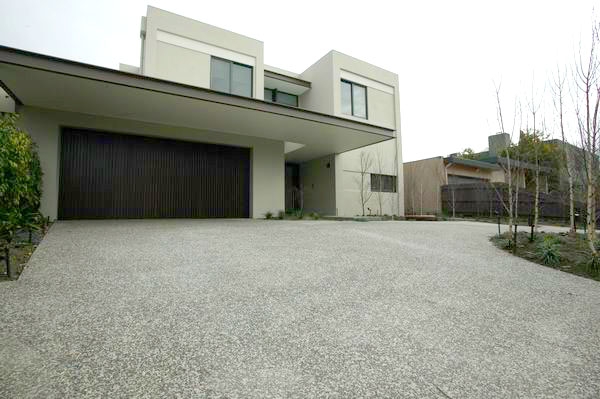
For Melbourne homeowners, exposed aggregate offers the perfect combination of durability and aesthetic appeal. It’s a functional choice that also enhances your property’s style.
CTA Button: Get Your Free Quote Today
What is Exposed Aggregate Concrete
The process begins with pouring a standard concrete slab mixed with selected aggregates. After screeding and levelling, the top layer of cement paste is removed—either by washing or using a chemical retarder—before the concrete fully hardens. This exposes the underlying aggregate, creating a natural stone appearance.
The degree of exposure varies. Light exposure reveals just the edges of stones, while full exposure shows the entire stone surface. Both approaches produce a unique look because natural stone varies in colour, shape, and size.
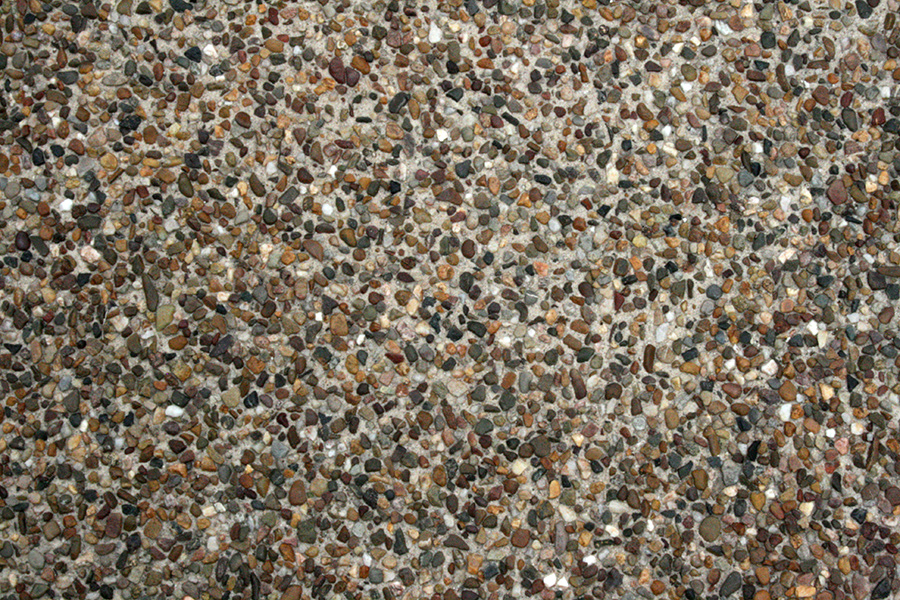
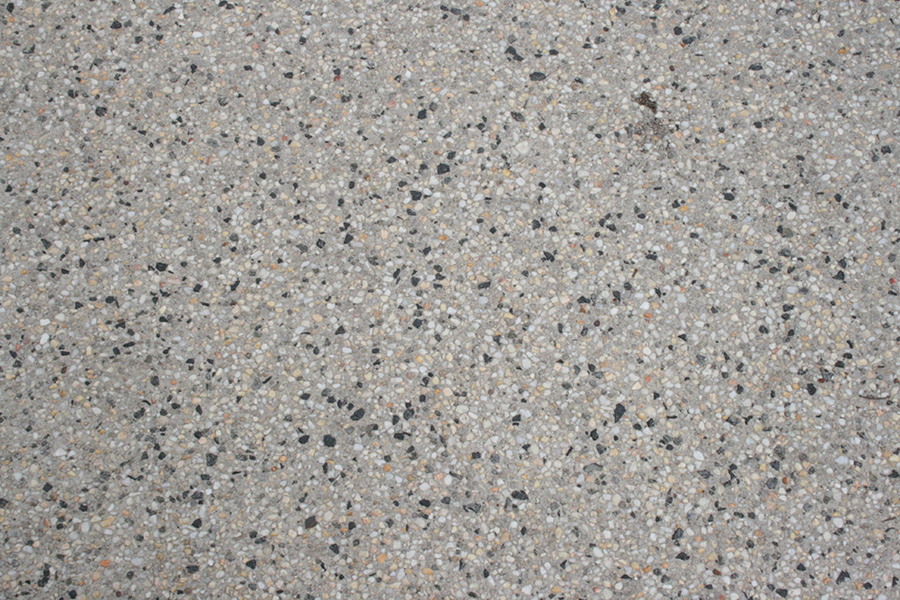
Stone options include river pebbles, granite chips, quartz, basalt, and even recycled glass. Sizes typically range from 5mm to 20mm. The finished product can be left natural, honed smooth, or sealed for additional protection. These customisation options mean no two exposed aggregate driveways look exactly alike.
Benefits of Exposed Aggregate Driveways
Slip Resistance
The textured surface created by exposing natural stone provides excellent grip, particularly important for Melbourne’s wet conditions. Stone edges catch footwear and tyres better than smooth concrete, making exposed aggregate safer for sloped driveways and high traffic areas.
Durability Under Heavy Loads
When built to appropriate standards (typically 25-32 MPa concrete strength with steel mesh reinforcement), exposed aggregate is extremely durable. It handles the daily stress of vehicles without cracking or spalling, making it ideal for residential driveways that see regular use.
Decorative Appearance
Exposed aggregate concrete offers something plain concrete cannot—natural beauty. The mix of stones, colours, and textures creates a visually appealing surface that enhances curb appeal. Whether you prefer warm earth tones or cool greys, there’s an aggregate combination to match your design preferences.
Long Lifespan
A properly installed exposed aggregate driveway in Melbourne can last 25 to 40 years with appropriate maintenance. This longevity makes the higher upfront cost worthwhile over time.
Low Maintenance
Beyond routine cleaning and occasional resealing every 2-5 years, exposed aggregate requires minimal upkeep. The textured surface actually helps hide minor staining and dirt better than smooth concrete, reducing the frequency of cleaning needed.


Exposed Aggregate vs Plain Concrete
Both options have their place, and understanding the differences helps you choose exposed aggregate concrete or plain concrete based on your specific needs.
Feature | Exposed Aggregate | Plain Concrete |
|---|---|---|
Appearance | Decorative stone texture, wide colour variety | Uniform grey or coloured, smoother modern finish |
Grip/Slip Resistance | Higher—textured surface provides skid resistance | Moderate—smoother surface offers less traction when wet |
Cost | Higher—approximately $100-$160+/m² | Lower—approximately $90-$110/m² |
Maintenance | Low—periodic cleaning and resealing | Low—easier to clean but stains more visible |
Lifespan | 25-40 years |
When Each Option Suits Best
Choose exposed aggregate when appearance matters, your driveway slopes, or you want superior quality grip in wet conditions. Plain concrete works well for budget-conscious projects, flat sites, or where the driveway isn’t a visual focal point. Both can be combined with other finishes like polished concrete or coloured concrete for pathways and outdoor areas.
Cost of Exposed Aggregate Driveways Melbourne
Pricing for exposed aggregate driveways in Melbourne typically ranges from $100 to $160 per square metre for standard to mid-range finishes. Premium aggregate selections—such as decorative quartz or custom colour blends—can push costs toward $180 to $250 per square metre.
For comparison, plain concrete generally costs $90 to $110 per square metre.
Factors Affecting Your Project Cost
Site Preparation Requirements
Excavation depth, removal of existing concrete, and grading for drainage all impact the job cost. Steep slopes or poor soil conditions may require additional base materials and compaction, adding $10-30 per square metre.
Stone Selection
Locally sourced aggregates cost less than imported or specialty stones. The size, shape, and colour of your chosen aggregate affect both material costs and the laying process.
Project Size
Larger driveways benefit from economies of scale. Smaller areas have higher per-square-metre costs due to fixed setup and mobilisation expenses.
Labour and Finish Complexity
The degree of exposure, sealing requirements, and any additional features like decorative edging or anti-slip treatments affect labour time and total project cost.
When to Choose Exposed Aggregate vs Resurfacing
Not all concrete needs to be replaced.
When New Concrete is Necessary
A new driveway makes sense when the existing slab has structural problems—significant cracking, subsidence, corroded reinforcement, or a failed base. If the concrete moves or flexes under load, resurfacing won’t fix the underlying issue.
When Resurfacing Works
If your existing slab is structurally sound, level, and the damage is purely cosmetic—surface wear, colour fading, minor surface cracking—resurfacing may be the more cost effective option. Overlay systems can create an exposed aggregate appearance over sound concrete, saving the cost of full demolition and replacement.
Assessment Criteria
Consider slab thickness and strength, base condition, drainage performance, and whether problems are cosmetic or structural. A professional assessment helps determine whether your project requires full replacement or whether resurfacing achieves the result you want at lower cost.
Installation Process
Step 1: Excavation and Site Preparation
The process starts with removing vegetation, topsoil, and any existing concrete. The site is shaped to ensure proper drainage and excavated to the required depth.
Step 2: Base Preparation and Levelling
A compacted sub-base of crushed rock or road base (typically 75-100mm) provides a stable foundation. Proper compaction prevents future settlement and cracking. Steel reinforcing mesh is positioned before the pour.
Step 3: Concrete Pouring
Concrete is poured using the appropriate mix—typically 25-32 MPa strength with controlled aggregate size and slump. Forms define the edges, and the surface is screeded level.
Step 4: Exposing the Aggregate
This is where the stylish finish is achieved. Either a surface retarder is applied, or the surface is washed at precisely the right time to remove the cement paste and expose the stone. Timing is critical—too early and stones dislodge; too late and the surface won’t wash properly.
Step 5: Sealing and Finishing
Once cured, a sealer is applied to protect against moisture, stains, and UV damage. Control joints are cut to manage cracking. The driveway typically handles foot traffic after 24 hours, but vehicle traffic should wait at least 7 days.
Why Choose Nupave
Melbourne Experience
We understand Melbourne conditions—the weather patterns, soil types, and what it takes to produce exposed aggregate driveways that last decades in our climate.
Honest Assessment
We’ll tell you whether your driveway needs replacement or whether resurfacing makes more sense for your situation. Our advice focuses on what’s right for your project, not just selling the biggest job.
Range of Finishes
From classic river pebbles to premium quartz blends, we offer quality exposed aggregate options to match any property’s style. We also work with pool surrounds, patios, and outdoor spaces where exposed aggregate creates cohesive design across your property.
Local Knowledge
As a Melbourne-based company, we’re familiar with local regulations, suppliers, and conditions. We deliver superior quality concrete services backed by genuine local expertise.
Contact us via our online form or phone for a free quote on your exposed aggregate project.
Frequently Asked Questions
How long does exposed aggregate last?
With proper installation and maintenance, exposed aggregate driveways in Melbourne typically last 25 to 35 years, with some lasting up to 40 years. Lifespan depends on construction quality, base preparation, and regular sealing.
Is it slippery when wet?
Exposed aggregate provides better grip than smooth concrete when wet due to its textured surface. However, if algae, moss, or debris accumulates, it can become slippery. Routine cleaning prevents this issue. Anti-slip sealers are also available for extra protection.
Is it more expensive than plain concrete?
Yes. Exposed aggregate typically costs 20-40% more than plain concrete due to the additional labour, aggregate costs, and finishing process. However, the longer lifespan and aesthetic appeal often provide better value over time.
Can exposed aggregate be resurfaced later?
If the underlying slab is structurally sound, overlay systems can refresh the surface. However, matching the original aggregate colour and exposure depth precisely is difficult. Full replacement is usually better when significant restoration is needed.
How long before I can drive on it?
Light foot traffic is generally fine after 24 hours. Vehicle traffic should wait at least 7 days after the pour. Full concrete strength develops over 28 days, so avoid heavy loads during this curing period.
Exposed Aggregate Concrete Areas We Service
Armadale | Arthurs Seat | Ashwood | Aspendale | Aspendale Gardens | Avonsleigh | Balnarring | Balnarring Beach | Bangholme | Baxter | Bayles | Bayswater | Bayswater North | Beaconsfield | Beaconsfield Upper | Beaumaris | Beenak | Bentleigh | Bentleigh East | Berwick | Bittern | Black Rock | Blairgowrie | Blind Bight | Bonbeach | Boneo | Boronia | Braeside | Brighton | Brighton East | Bunyip | Caldermeade | Cannons Creek | Cape Schanck | Cardinia | Carnegie | Carrum | Carrum Downs | Catani | Caulfield | Caulfield East | Caulfield North | Caulfield South | Chadstone | Chelsea | Chelsea Heights | Cheltenham | Clarinda | Clayton | Clayton South | Clematis | Clyde | Clyde North | Cockatoo | Cora Lynn | Cranbourne | Cranbourne East | Cranbourne North | Cranbourne South | Cranbourne West | Crib Point | Croydon | Croydon Hills | Croydon North | Croydon South | Dalmore | Dandenong | Dandenong North | Dandenong South | Devon Meadows | Dewhurst | Dingley Village | Doveton | Dromana | Edithvale | Elsternwick | Emerald | Endeavour Hills | Eumemmerring | Ferntree Gully | Five Ways | Flinders | Frankston | Frankston North | Frankston South | Gardenvale | Garfield | Gembrook | Glen Huntly | Glen Iris | Glen Waverley | Guys Hill | Hallam | Hampton | Hampton East | Hampton Park | Harkaway | Hastings | Heatherton | Heathmont | Highett | HMAS Cerberus | Hughesdale | Huntingdale | Iona | Junction Village | Kananook | Karingal | Keysborough | Kilsyth South | Knoxfield | Koo Wee Rup | Kooyong | Lang Lang | Langwarrin | Lynbrook | Lyndhurst | Lysterfield | Lysterfield South | Main Ridge | Malvern | Malvern East | Maryknoll | McKinnon | Mentone | Menzies Creek | Merricks | Merricks Beach | Merricks North | Modella | Monash University | Monomeith | Moorabbin | Moorabbin Airport | Moorooduc | Mordialloc | Mornington | Mount Burnett | Mount Eliza | Mount Martha | Mount Waverley | Mulgrave | Murrumbeena | Nangana | Nar Nar Goon | Narre Warren | Narre Warren North | Narre Warren South | Noble Park | Noble Park North | Notting Hill | Oakleigh | Oakleigh East | Oakleigh South | Officer | Ormond | Pakenham | Parkdale | Patterson Lakes | Pearcedale | Point Leo | Portsea | Prahran | Red Hill | Red Hill South | Ringwood | Ringwood East | Ringwood North | Rosebud | Rosebud West | Rowville | Rye | Safety Beach | Sandringham | Scoresby | Seaford | Shoreham | Skye | Somers | Somerville | Sorrento | South Yarra | Springvale | Springvale South | Tenby Point | The Basin | Tonimbuk | Toomuc Valley | Tooradin | Tooradin North | Toorak | Tootgarook | Tyabb | Tynong | Wantirna | Wantirna South | Warneet | Warranwood | Waterways | Wheelers Hill | Windsor