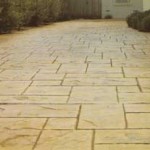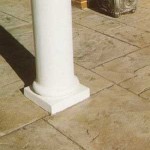
Slate Impression Concrete Resurfacing Melbourne Without Expensive Replacement
Transform Your Worn Concrete Into Natural Stone Beauty
Slate impression concrete resurfacing is a decorative concrete system that transforms existing concrete into surfaces that look like natural slate—without the heavy cost, weight, or maintenance of real stone. Rather than tearing out your old slab and starting from scratch, this process uses polymer-modified coatings, specialised texturing techniques, and layered colour staining to create realistic stone character over what’s already there.
The natural stone appearance comes from the combination of texture, pattern, and colour variation built into the process. When done properly, slate impression concrete replicates the irregular surface, colour depth, and shadow lines of real slate without the ongoing sealing, moss growth, and shifting that natural stone brings.
This approach also solves the common problems that plague aging concrete. Staining from oils, rust, or weather exposure. Colour fading under Melbourne’s strong UV. Surface cracking, scaling, or general dullness. Rather than living with these issues or paying for complete replacement, resurfacing addresses them directly while upgrading the appearance of your driveways, patios, pathways, and pool surrounds.
Why Slate Impression Concrete Resurfacing Works
Here’s what makes this approach effective for Melbourne properties:
Cost-effective alternative to concrete replacement – You keep your existing concrete as the structural base. No demolition crews, no skip bins, no site excavation. The savings are substantial, often 30 to 60 percent compared to decorative replacement.
Durable polymer-modified coating – The resurfacing compound bonds to your existing slab and develops high compressive strength as it cures. Quality systems reach around 56 MPa at 28 days—strong enough to handle vehicle traffic on driveways.
Natural stone appearance with realistic texture – The combination of pattern work, texture shaping, and colour layering creates the look of individual slate pieces with bevelled edges and natural variation.
Quick installation with minimal disruption – A typical driveway or patio area can be completed within a few days. Preparation, coating, and pattern work happen efficiently, with foot traffic possible within 24 hours and full use within about a week.
UV-resistant finish that won’t fade – Melbourne’s sun exposure is harsh on concrete surfaces. Quality slate impression systems use UV-stable sealers and colourants designed to maintain their appearance under Australian conditions.
Not All Slate Impression Finishes Are the Same
The final result comes down to how the coating is applied. Thickness, texture, and how colour is layered all affect whether the finish looks like natural stone or a painted surface.
At Nupave, we focus on creating variation in both texture and colour to avoid a flat or uniform look. This is what gives the finish depth and makes it look more like real slate rather than a coating over concrete.
How Slate Impression Concrete Resurfacing Works
The process is systematic and straightforward when done by experienced applicators. Each stage builds on the previous one to create the final result.
Step 1: Surface Preparation
The existing concrete is cleaned thoroughly—pressure washing, removal of oils, dirt, and any loose material. Cracks are routed and filled, spalling is patched, and the surface is profiled to ensure proper adhesion. This preparation work determines how well everything that follows will perform.
Step 2: Base Coat Application
A polymer-modified resurfacing compound is applied over the prepared concrete. This base layer is trowelled to create a consistent foundation, typically a few millimetres thick depending on the system. The base coat provides the structural bond and establishes the initial colour tone.
Step 3: Pattern Creation and Texture Shaping
While the coating is still workable, the slate pattern is created using specialised taping and shaping techniques. A second coat is applied and textured to give the appearance of individual stone pieces with defined edges and natural surface variation. This is where the skill of the applicator shows—the depth of texture, the spacing of joints, and the irregularity of the pattern all affect how realistic the final result appears.
Step 4: Colour Staining
Multiple colour tones are applied to break up uniformity and create depth. The base colour is established first, then contrasting or highlighting tones are layered to replicate the natural variation found in real slate. This isn’t a single paint colour—it’s a deliberate mix of tones that catch light differently and create visual interest.
Step 5: Protective Sealing
The surface is sealed with UV-stable sealers to protect the finish, enhance colour depth, and provide resistance to weather, chemicals, and wear. The choice of gloss, satin, or matte finish affects both appearance and practical considerations like slip resistance.
Where Slate Impression Concrete Works Best
Slate impression concrete is suitable for most outdoor hardscape areas, though each application has its own considerations.
Driveways benefit significantly from the aesthetic upgrade. A slate impression driveway transforms plain grey concrete into an elegant entrance that enhances street appeal and property value. The coating handles vehicle traffic when properly applied with adequate thickness and appropriate curing time.
Patios and entertaining areas are ideal candidates. The natural stone look creates sophisticated outdoor living spaces without the cost of real slate or sandstone. Texture can be adjusted for comfort underfoot while maintaining visual appeal.
Pathways and walkways tie the property together with a unified appearance. The durability handles regular foot traffic, and the design can be coordinated with driveway and patio areas for a cohesive look.
Pool surrounds require careful consideration. The elegance of slate impression works beautifully around pool areas, but slip resistance becomes critical. Wet surfaces near water demand appropriate texture and finish selection—this is not an area to cut corners on grip.
Finish and Appearance Options
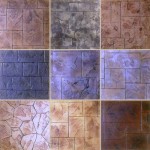
The colour range available for slate impression concrete is extensive. Base colours can be selected from dozens of options, and the layered staining process allows for custom variation. Charcoal, grey, brown, terracotta, and sandstone tones are common choices that replicate natural stone colours found in Australian landscapes.
Texture options range from subtle to pronounced. More aggressive texture with deeper relief creates stronger shadow lines and a more dramatic slate appearance. Milder texture suits areas where comfort underfoot is the priority or where a more understated look is preferred.
The difference between basic applications and high-quality finishes is significant. A basic job might use a single colour tone with minimal texture variation—the result often looks flat or painted rather than like natural stone. Quality application involves multiple colour layers, deliberate texture variation, and attention to the details that make individual “stones” look distinct from each other.
This finish quality directly affects long-term appearance and durability. Shallow patterns and thin coatings wear away faster under traffic and UV exposure. Proper thickness and technique mean the finish maintains its character for years rather than fading into uniformity.
Slip Resistance and Safety Considerations
Honest discussion of slip resistance matters. Slate impression concrete can be slippery if applied incorrectly—particularly with smooth trowelled finishes or high-gloss sealers on areas that get wet.
Texture and finish type directly affect grip. Rougher textures and matte or satin sealers generally provide better slip resistance than smooth surfaces with gloss finishes. The application method matters: spray-on finishes with more texture typically achieve higher slip ratings than smooth trowelled surfaces.
Different areas require different approaches. Pool surrounds and areas regularly exposed to water need finishes that meet appropriate slip resistance ratings—typically P4 or P5 under AS 4586:2013. Driveways and covered patios have different requirements and can accommodate finishes that prioritise appearance over maximum grip.
Choosing the right texture for the intended use is essential. A finish selected purely for visual appeal may create hazards in wet areas. Discuss the specific location and usage with your applicator before committing to a particular finish type.
Why Quality Application Makes the Difference
Not all slate impression concrete work delivers the same result. The gap between professional and amateur application shows in several key areas:
Proper coating thickness – Thin coatings save on materials but fail faster. Adequate thickness provides durability and allows for the texture depth needed to replicate real stone.
Texture technique that creates realistic stone – The pattern work, joint definition, and surface variation require skill and attention. Flat, uniform surfaces don’t read as natural slate regardless of the colour applied.
Staining method that achieves natural colour variation – Single-tone finishes look artificial. Quality application uses multiple colours, layered and blended, to create the depth and variation that real stone exhibits.
Variation that avoids the painted look – Each “stone” in the pattern should look slightly different from its neighbours. This deliberate inconsistency is what makes the difference between convincing natural stone appearance and an obvious coating.
At Nupave, we adjust these variables to create a more natural and less uniform finish. The goal is a result that looks like stone was installed, not like concrete was painted.
Frequently Asked Questions
How long does the resurfacing process take?
For a typical driveway or patio of 30 to 50 square metres, expect preparation and repairs to take roughly a day, coating and pattern work another day, then sealing. The total process spans a few days, with full vehicle use possible after about seven days of curing.
Can slate impression be applied over any existing concrete?
Only if the slab is structurally sound. The concrete must be stable without severe settlement or movement. Surface cracks can be repaired, but major structural issues or ongoing subsidence need addressing before resurfacing will work effectively.
How long before the surface can be used?
Light foot traffic is typically possible within 24 hours under moderate conditions. Vehicles should wait until the sealer has fully cured—usually around seven days depending on weather and the specific products used.
What maintenance is required?
Regular cleaning with mild detergent and water keeps the surface looking good. Avoid harsh chemicals. Resealing is recommended every few years depending on exposure and wear. Address any chips or damage promptly to prevent water penetration.
How does the cost compare to concrete replacement?
Slate impression concrete resurfacing typically costs $50 to $120 per square metre. Full concrete replacement with decorative finish runs $120 to $180 per square metre or more, plus demolition and disposal costs. Resurfacing often saves 30 to 60 percent.
Will the finish last in Melbourne’s climate?
Properly applied systems with UV-stable sealers and quality materials are designed to withstand Melbourne’s conditions—strong UV, temperature variation, and regular rain. Ongoing maintenance and periodic resealing extend the life of the finish significantly.
Restore Your Melbourne Concrete Surfaces
Slate impression concrete resurfacing offers Melbourne homeowners a practical way to upgrade worn driveways, patios, pathways, and pool surrounds without the expense and disruption of concrete replacement. The result is a durable, attractive surface with the elegance of natural stone at a fraction of the cost.
It’s the right choice when your existing concrete is structurally sound but aesthetically tired—when you want to achieve real improvement without tearing everything out and starting over.
For broader concrete resurfacing Melbourne options, or if you’re interested in timber-look finishes like Timbercrete, we’re happy to discuss which approach suits your property best.
Contact our team today to discuss your concrete surfaces and explore what’s possible.