Exposed Aggregate Concrete for Driveways and Entryways Balnarring Beach
Professional Exposed Aggregate Installation and Restoration
Balnarring Beach, roughly 68 km south of Melbourne CBD, is a small, quiet beachside community with a relaxed holiday atmosphere. The residential landscape here includes beach houses and coastal homes, a mix of permanent residences and holiday properties. The outdoor lifestyle in Balnarring Beach makes hard-wearing surfaces a priority, and exposed aggregate concrete is built to handle the demands of everyday use. As part of the Mornington Peninsula region, Balnarring Beach benefits from strong local amenities and established infrastructure.
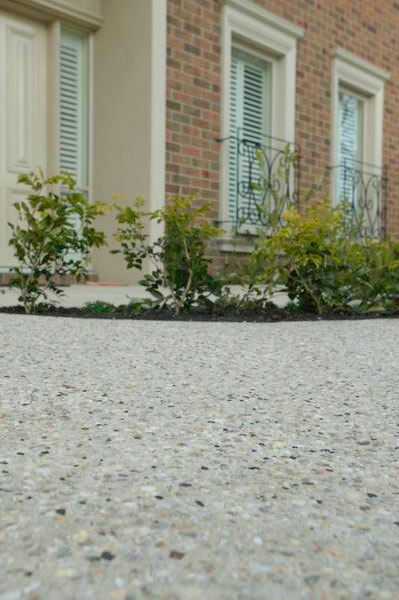
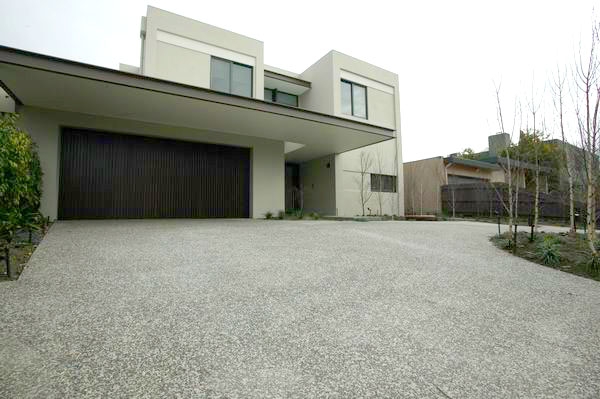
Exposed aggregate concrete delivers a durable, slip-resistant finish that reveals natural stone textures beneath the cement surface—combining structural performance with decorative appeal for Melbourne properties.
Nupave specialises in exposed aggregate installation and restoration across Melbourne, the Mornington Peninsula, Bass Coast, Phillip Island, and surrounding regions. Our team handles everything from new driveways and pool surrounds to commercial flooring projects, using locally sourced aggregates and installation methods that meet Australian Standards.
Why Exposed Aggregate Concrete is Perfect for Melbourne Properties
Low Maintenance Requirements When Properly Sealed
Exposed aggregate concrete requires relatively low maintenance compared to many alternative exterior materials when the surface is properly sealed after installation. The primary ongoing requirement is periodic resealing—typically every two to three years, though high-traffic areas or surfaces with significant UV exposure may benefit from more frequent attention. This resealing protects against staining, helps resist water penetration, and maintains the visual enhancement that quality sealers provide.
General cleaning involves hosing down the surface and occasional washing with mild detergent to remove accumulated dirt, leaves, and other contaminants. Pressure washing can be used but should be applied at lower pressure settings and appropriate angles to avoid dislodging aggregate or damaging the sealer layer. Oil stains and spills should be cleaned promptly to prevent absorption into the concrete matrix.
Compared to pavers—which require joint sand replenishment, weed control, and periodic realignment—exposed aggregate presents fewer maintenance tasks. The continuous surface eliminates joints where weeds establish and where ants create sand displacement. Compared to timber decking or other materials requiring annual treatments, exposed aggregate offers a more straightforward maintenance schedule focused primarily on cleaning and periodic sealing.
At Nupave, our commitment to our clients extends well beyond the completion of your project. We understand that ongoing maintenance is essential, but also easily overlooked in busy day-to-day life. That’s why every project is added to our exclusive care register, allowing us to provide timely reminders when your concrete is due for resealing. This service is provided at no cost as part of our standard — not as an add-on — ensuring your investment remains protected and continues to perform at its best. It’s a simple, proactive approach designed to give you long-term results without the need to manage it yourself.
Slip-Resistant Texture Ideal for Melbourne’s Variable Weather
The textured surface created by exposed aggregate provides natural slip resistance—a critical consideration for Melbourne’s climate where rain occurs throughout the year and morning moisture is common. The stones projecting slightly above the cement matrix create micro-texture that improves traction underfoot and under tyres, making exposed aggregate a slip resistant finish ideal for outdoor applications including driveways, pathways, and pool surrounds.
This slip-resistant characteristic makes exposed aggregate particularly suitable for pool surrounds where wet feet and water splash create ongoing moisture exposure. The natural grip provided by the stone texture reduces slip hazards compared to smooth finished concrete or polished surfaces. For driveways on sloped blocks—common across Melbourne’s hilly eastern suburbs and bayside areas—the improved traction helps prevent vehicle wheel spin during wet weather.
The slip resistance performance does depend on aggregate selection and exposure depth. Rounded river pebbles provide a smoother underfoot feel suitable for barefoot areas, while angular crushed rock creates more pronounced texture with higher grip characteristics. Over-smoothing during finishing or excessive polishing can reduce the slip-resistant properties, so professional installation ensures the appropriate balance between safety and comfort for each application.
Visual Appeal and Customisation Options
Exposed aggregate offers strong visual appeal through the natural beauty of stone, rather than relying on artificial colours or patterns. With a wide range of aggregates available—such as basalt, granite, and river pebbles—finishes can be tailored to suit different home styles and outdoor spaces. Variations in stone size and blend allow for further customisation, creating anything from subtle, refined textures to more pronounced, decorative finishes.
Long-Lasting Performance for High-Traffic Areas
The combination of structural concrete strength and durable natural stone aggregate creates surfaces capable of handling significant traffic loads over extended periods. For driveways, this means withstanding daily vehicle movements, visitor parking, and the concentrated loads that occur during turning and braking. For commercial applications, exposed aggregate handles pedestrian traffic volumes that would wear through less durable decorative treatments.
The key to this long-lasting performance lies in proper specification and installation. Strength grades appropriate to the intended use—N32 for standard residential applications, N40 for heavy-duty or commercial installations—provide the structural foundation. Adequate slab thickness, proper reinforcement with steel mesh or bars, and appropriate subbase preparation ensure the concrete can handle applied loads without cracking or settlement.
Control joints placed at correct spacing accommodate the natural shrinkage that occurs as concrete cures, preventing random cracking that would compromise both appearance and structural integrity. When these elements are correctly specified and installed, exposed aggregate delivers decades of reliable service with minimal degradation.
Is New Concrete Always Necessary?
If you’re considering new exposed aggregate concrete, it’s worth checking whether your current surface actually needs to be removed. In some cases, existing concrete can be upgraded or refinished, providing a similar visual outcome without the cost and disruption of a full replacement. Having the area assessed first can help you make an informed decision and potentially save a significant amount of money.
Many homeowners assume that worn or dated concrete needs to be completely replaced, but that isn’t always the case. Before committing to new exposed aggregate, a proper assessment can determine whether the existing slab is suitable for improvement rather than removal. This approach can reduce costs, minimise disruption, and still deliver a high-quality finish.
Not every surface needs to be replaced — in many cases, there are more cost-effective options available.
Our Exposed Aggregate Services
Residential Exposed Aggregate
We provide custom exposed aggregate installations for residential properties across Melbourne, with each project tailored to suit the home’s style, usage, and site conditions. Driveways, pathways, patios, and pool surrounds are designed with the right aggregate selection, reinforcement, and drainage to ensure both visual appeal and long-term performance. Where suitable, we also assess existing concrete for resurfacing options, offering a cost-effective alternative to full replacement when the slab is structurally sound.

Our Professional Installation Process
Step 1: Site Assessment and Design
Every exposed aggregate project begins with onsite evaluation of existing conditions. This assessment covers soil characteristics—particularly important in Melbourne where reactive clay soils are common and require specific preparation approaches. Drainage requirements, access constraints, existing services, and slope conditions inform both design and construction planning.
Aggregate selection occurs during this consultation phase. We present samples of available aggregate types and blends, discussing how different options suit your property’s architecture, landscaping, and intended use. Colour coordination with house materials, preferred texture levels, and budget considerations guide the final aggregate specification.
Step 2: Preparation and Base Work
Proper preparation determines long-term performance. Excavation removes existing material to required depth, accounting for base layer thickness, concrete slab depth, and finished surface level relative to surrounding elements. In reactive soil areas, additional depth or moisture management measures may be incorporated.
Base preparation involves placing and compacting crushed rock to create a stable foundation. Compaction achieves approximately 95% Modified Proctor density to prevent future settlement. Reinforcement installation—typically steel mesh for residential applications or bar reinforcement for heavy-duty commercial use—provides tensile strength to resist cracking under load and thermal movement.
Formwork establishes edge profiles and levels, with careful attention to drainage falls directing water away from buildings and towards appropriate discharge points. Control joint locations are planned during this phase, positioning cuts to accommodate shrinkage cracking at predetermined locations rather than allowing random crack development.
Step 3: Concrete Pour and Finishing
Concrete placement requires coordination with batch plant delivery schedules and site readiness. The mix specification—strength grade, aggregate size, slump, and any admixtures—follows AS 1379 requirements appropriate to the project. Common specifications include N32 or N40 grades with 20mm maximum aggregate size for residential driveways.
Placement, spreading, and initial levelling occur immediately following delivery. Bull float and finishing tools work the surface to achieve correct levels while consolidating the concrete without segregating the aggregate. The timing of subsequent operations depends on ambient temperature, humidity, and mix characteristics.
Surface retarder application must occur within specific time windows—typically when the concrete has firmed sufficiently to walk on but before the surface cement paste hardens fully. This retarder delays paste set at the surface while allowing the underlying concrete to continue curing, creating the differential hardening that enables controlled aggregate exposure.
Step 4: Cleaning, Sealing and Protection
The washing process removes retarder-affected cement paste to reveal the aggregate beneath. Timing is critical—typically 4 to 24 hours after placement depending on conditions and retarder type. Pressure washing at appropriate settings removes the paste layer without dislodging aggregate or creating uneven exposure.
Once washed and allowed to dry, the surface receives protective sealer application. Quality sealers penetrate the concrete surface and coat the exposed aggregate, protecting against oil stains, water absorption, and UV effects while enhancing the natural stone colours. Full cure of both concrete and sealer typically requires several days before the surface can accept vehicle traffic.
Ongoing protection depends on periodic resealing—typically every two to three years—and prompt attention to any stains or spills that could penetrate the sealer layer.
Exposed Aggregate Applications Across Melbourne
Outdoor Entertaining Areas and Patios
Melbourne’s lifestyle emphasises outdoor entertaining, making patios and outdoor living areas significant investments in residential properties. Exposed aggregate provides surfaces that handle furniture placement, foot traffic, and the occasional dropped item while maintaining an attractive appearance that complements landscaping and architectural elements.
The natural stone appearance of exposed aggregate integrates well with garden settings, creating visual connections between built and planted areas. Texture options allow selection of finishes that balance appearance with barefoot comfort—medium exposure river pebble blends typically suit these applications well.
Pool Surrounds for Safety and Aesthetics
Pool surrounds present specific requirements: slip resistance when wet, comfort underfoot, heat management on sun-exposed surfaces, and resistance to chlorinated water splash. Exposed aggregate addresses each of these considerations when appropriate aggregates are selected.
Lighter coloured aggregates reduce heat absorption, maintaining comfortable surface temperatures during summer. Rounded pebbles provide smoother textures suitable for barefoot use while maintaining adequate slip resistance. The continuous surface eliminates joints where algae might establish or water might pool.
Get Your Free Exposed Aggregate Quote Today
Nupave provides professional exposed aggregate installations across Melbourne and surrounding regions, including metropolitan Melbourne, the Mornington Peninsula, Bass Coast, and West and South Gippsland.
Every project begins with a free onsite consultation, where we assess your site conditions, discuss design options, and help you select the right aggregate to suit your property. You’ll receive clear, detailed pricing along with expert advice to ensure you’re making the right decision from the start.
Our commitment is to deliver high-quality workmanship using premium local materials, installed to Australian Standards for long-term performance.
Contact us today to arrange your consultation.


In Balnarring Beach, exposed aggregate is a go-to for sandy, coastal-facing driveways. Rather than replacing a solid slab, spray-on concrete resurfacing in Balnarring Beach can deliver a similar decorative effect at a fraction of the cost. In neighbouring areas including Balnarring, exposed finishes remain a popular choice for driveways and entertaining areas alike. We handle exposed aggregate concrete across Melbourne installs throughout the Mornington Peninsula Shire.