Exposed Aggregate Concrete for Driveways and Entryways Bittern
Professional Exposed Aggregate Installation and Restoration
As one of Melbourne’s Mornington Peninsula suburbs, Bittern is a quiet township on the western shore of Western Port Bay, positioned approximately 60 km south of Melbourne CBD. Given Bittern’s residential character, a quality exposed aggregate finish can make a real difference to a property’s street presence. The neighbourhood features a mix of village homes and rural-residential properties on larger blocks.
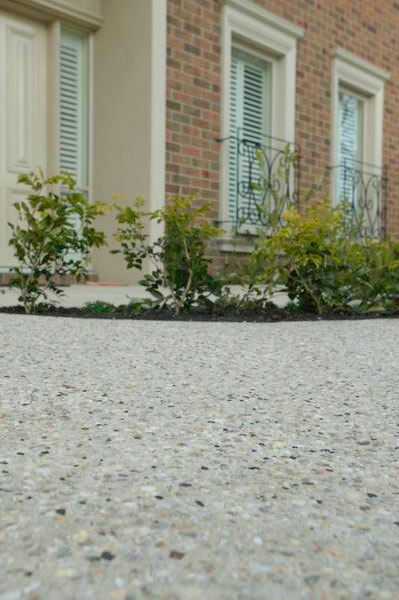
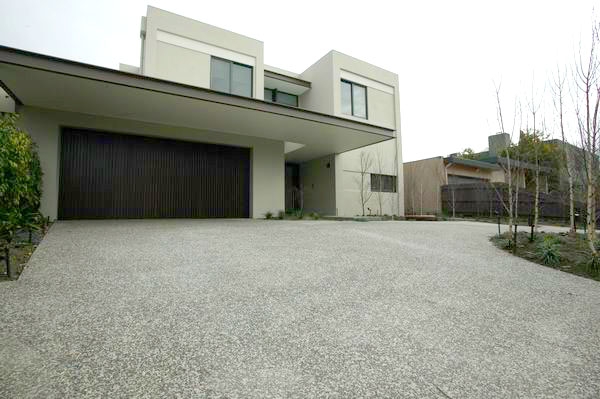
Exposed aggregate concrete delivers a durable, slip-resistant finish that reveals natural stone textures beneath the cement surface—combining structural performance with decorative appeal for Melbourne properties.
Nupave specialises in exposed aggregate installation and restoration across Melbourne, the Mornington Peninsula, Bass Coast, Phillip Island, and surrounding regions. Our team handles everything from new driveways and pool surrounds to commercial flooring projects, using locally sourced aggregates and installation methods that meet Australian Standards.
Why Exposed Aggregate Concrete is Perfect for Melbourne Properties
Low Maintenance Requirements When Properly Sealed
Exposed aggregate concrete is low maintenance when properly sealed, with resealing typically required every few years to protect against stains, moisture, and wear. General upkeep is simple, usually involving occasional cleaning with water or mild detergent to maintain its appearance. Compared to materials like pavers or timber, it requires significantly less ongoing maintenance while still delivering long-term durability.
At Nupave, we take a long-term approach to every project, with a focus on protecting the quality and finish well beyond installation. To support this, each completed surface is entered into our client care register, allowing us to monitor and notify you when maintenance such as resealing is due. This complimentary service is part of our standard of care, ensuring your concrete continues to look and perform as intended without relying on you to keep track of timeframes. It’s one of the ways we deliver not just a finished surface, but a lasting result.
Durability Compared to Plain Concrete and Other Decorative Options
Exposed aggregate concrete offers structural durability that matches or exceeds plain concrete while providing superior visual longevity. When properly installed with appropriate strength grades—commonly N32 or N40 for driveways and high-traffic areas—exposed aggregate surfaces in Melbourne can last 25 to 35 years or more. Some installations under optimal conditions reach 40 years of service life, particularly when combined with regular sealing and proper drainage management.
The durability advantage over plain concrete becomes apparent in how the surfaces age. Plain concrete tends to show tyre marks, surface staining, and colour fading more prominently over time. The cement paste layer that forms the visible surface of plain concrete is more susceptible to UV degradation and wear. Exposed aggregate, by contrast, places natural stone as the primary wearing surface. Hard aggregates like basalt and granite resist abrasion and weathering far better than cement paste alone, maintaining their appearance even under vehicle traffic and Melbourne’s variable weather conditions.
Compared to other decorative concrete options such as stamped concrete or coloured concrete, exposed aggregate typically requires less cosmetic maintenance. Stamped concrete may need periodic recolouring or pattern repair as the surface wears. Pavers require joint maintenance and can shift over time, allowing weed growth between units. Exposed aggregate presents a monolithic surface without joints, reducing ongoing maintenance demands while providing a naturally durable wearing course.
Slip-Resistant Texture Ideal for Melbourne’s Variable Weather
Exposed aggregate provides natural slip resistance thanks to its textured surface, making it ideal for Melbourne’s wet and variable conditions. The exposed stones create added grip underfoot and under tyres, which is especially beneficial for driveways, pathways, and pool surrounds. When installed correctly, it offers a balance of safety and comfort suited to both everyday use and high-moisture areas.
Our Exposed Aggregate Services
Residential Exposed Aggregate
We provide custom exposed aggregate installations for residential properties across Melbourne, with each project tailored to suit the home’s style, usage, and site conditions. Driveways, pathways, patios, and pool surrounds are designed with the right aggregate selection, reinforcement, and drainage to ensure both visual appeal and long-term performance. Where suitable, we also assess existing concrete for resurfacing options, offering a cost-effective alternative to full replacement when the slab is structurally sound.
Commercial Exposed Aggregate Flooring
Exposed aggregate is well suited to commercial applications, offering a durable, low-maintenance surface that performs under high pedestrian traffic while maintaining a professional appearance. It is commonly used for entrances, walkways, and outdoor areas, with finishes selected to align with the overall site design. When specified and installed correctly, it meets relevant standards and provides a long-lasting solution for both private and public spaces.
Is New Concrete Always Necessary?
Before investing in a brand new exposed aggregate driveway, it’s important to understand whether your existing concrete can be improved rather than replaced. Many surfaces that look beyond repair can often be transformed using alternative methods, avoiding the need for costly excavation. A professional inspection can give you a clear answer and help you avoid unnecessary expenses while still achieving a high-end result.
Many homeowners assume that worn or dated concrete needs to be completely replaced, but that isn’t always the case. Before committing to new exposed aggregate, a proper assessment can determine whether the existing slab is suitable for improvement rather than removal. This approach can reduce costs, minimise disruption, and still deliver a high-quality finish.
We take the time to assess your concrete properly before recommending anything, so you’re not spending money you don’t need to.
Popular Exposed Aggregate Finishes Available
Melbourne’s geology and established supplier network provide access to diverse aggregate types suitable for exposed concrete applications. The following options represent commonly available materials, each with distinct appearance characteristics and appropriate use cases:
- River Pebbles – Smooth, rounded stones in mixed tan, grey, and cream colours. Creates a softer texture suitable for barefoot areas. Commonly specified for pool surrounds and residential pathways where comfort is prioritised.
- Crushed Quartzite – White or translucent crystalline appearance with high brightness. Creates a contemporary aesthetic with striking visual impact. Higher cost than standard aggregates; best used for feature areas or accent applications.
- Cream Pebble Blend – Light-toned rounded aggregates creating clean, modern appearances. Reduces heat absorption compared to darker stones. Popular for contemporary home designs and areas with significant sun exposure.
- Warm Earth Tones – Blends incorporating brown, rust, and ochre-coloured stones. Creates a rustic appearance complementing natural landscaping and timber elements. Appropriate for properties seeking organic aesthetic integration.
- Beach/Coastal Blend – Combinations of cream pebbles, crushed shell, and sand-toned aggregates. Creates finishes suited to coastal properties and beachside themes. Available in various textures from fine to medium exposure.
- Mixed Heritage Blend – Aggregates selected to coordinate with established Victorian architectural styles. Typically incorporates basalt and cream tones matching period home characteristics.
- Custom Project Blends – Tailored combinations designed for specific architectural requirements. Samples can be prepared to confirm appearance before project commencement.
Aggregate sizes typically available include 7mm (fine texture), 10-14mm (standard exposure), and up to 20mm for pronounced texture applications. Colour shades vary between batches due to the natural stone origin, so sample approval and consistent batch sourcing are essential for consistent project appearance.
Our Professional Installation Process
Step 1: Site Assessment and Design
Every exposed aggregate project begins with onsite evaluation of existing conditions. This assessment covers soil characteristics—particularly important in Melbourne where reactive clay soils are common and require specific preparation approaches. Drainage requirements, access constraints, existing services, and slope conditions inform both design and construction planning.
Aggregate selection occurs during this consultation phase. We present samples of available aggregate types and blends, discussing how different options suit your property’s architecture, landscaping, and intended use. Colour coordination with house materials, preferred texture levels, and budget considerations guide the final aggregate specification.
Step 2: Preparation and Base Work
Proper preparation determines long-term performance. Excavation removes existing material to required depth, accounting for base layer thickness, concrete slab depth, and finished surface level relative to surrounding elements. In reactive soil areas, additional depth or moisture management measures may be incorporated.
Base preparation involves placing and compacting crushed rock to create a stable foundation. Compaction achieves approximately 95% Modified Proctor density to prevent future settlement. Reinforcement installation—typically steel mesh for residential applications or bar reinforcement for heavy-duty commercial use—provides tensile strength to resist cracking under load and thermal movement.
Formwork establishes edge profiles and levels, with careful attention to drainage falls directing water away from buildings and towards appropriate discharge points. Control joint locations are planned during this phase, positioning cuts to accommodate shrinkage cracking at predetermined locations rather than allowing random crack development.
Step 3: Concrete Pour and Finishing
Concrete placement requires coordination with batch plant delivery schedules and site readiness. The mix specification—strength grade, aggregate size, slump, and any admixtures—follows AS 1379 requirements appropriate to the project. Common specifications include N32 or N40 grades with 20mm maximum aggregate size for residential driveways.
Placement, spreading, and initial levelling occur immediately following delivery. Bull float and finishing tools work the surface to achieve correct levels while consolidating the concrete without segregating the aggregate. The timing of subsequent operations depends on ambient temperature, humidity, and mix characteristics.
Surface retarder application must occur within specific time windows—typically when the concrete has firmed sufficiently to walk on but before the surface cement paste hardens fully. This retarder delays paste set at the surface while allowing the underlying concrete to continue curing, creating the differential hardening that enables controlled aggregate exposure.
Step 4: Cleaning, Sealing and Protection
The washing process removes retarder-affected cement paste to reveal the aggregate beneath. Timing is critical—typically 4 to 24 hours after placement depending on conditions and retarder type. Pressure washing at appropriate settings removes the paste layer without dislodging aggregate or creating uneven exposure.
Once washed and allowed to dry, the surface receives protective sealer application. Quality sealers penetrate the concrete surface and coat the exposed aggregate, protecting against oil stains, water absorption, and UV effects while enhancing the natural stone colours. Full cure of both concrete and sealer typically requires several days before the surface can accept vehicle traffic.
Ongoing protection depends on periodic resealing—typically every two to three years—and prompt attention to any stains or spills that could penetrate the sealer layer.
Get Your Free Exposed Aggregate Quote Today
Service Areas
Nupave provides exposed aggregate installation and restoration services throughout Melbourne metropolitan areas and the broader region:
Melbourne Metropolitan – All suburbs including eastern, western, northern, and southern Melbourne
Mornington Peninsula – From Frankston to Portsea and surrounding areas
Bass Coast and Phillip Island – Coastal properties and township locations
West and South Gippsland – Regional service for residential and commercial projects
Our team provides free onsite quotations including site assessment, aggregate selection consultation, and detailed project pricing. We can present aggregate samples and discuss design options appropriate to your property and requirements.
Phone: Contact our office to schedule your consultation
Service commitment: Professional installation to Australian Standards with quality local aggregates
Bittern properties regularly use exposed aggregate for wide driveways close to Western Port. On sound existing concrete, spray-on concrete resurfacing in Bittern offers a cost-effective way to get a similar decorative finish. Nearby suburbs like Hastings show just how popular exposed-style work has become in the area. We deliver exposed aggregate concrete Melbourne services right across the Mornington Peninsula Shire.